TIG, MIG/MAG welding
We specialise in welding a wide range of materials (stainless steel, carbon steel, aluminium), using TIG, MAG and MIG methods.
We use the best welding equipment and the most advanced welding techniques.
Welding is a field that requires not only knowledge but also experience, feeling and excellent skills. All this is guaranteed by our qualified welders, who make optimal use of the equipment.
The result of their work is excellent connections, reliably strong, and free from defects, both in terms of durability and aesthetics. Customers can rest assured that their orders will be carried out by us following the most stringent industry standards.
We direct our welding services to both companies (such as the manufacture of industrial steel structures) and individual customers (aesthetic finishing elements for the home).
You are welcome to cooperate with Olgamet. The quality of our services is proven by countless completed orders and a multitude of customers always satisfied with the quality of our work, regardless of the technique used. Below are a few words about the various welding methods we specialise in.
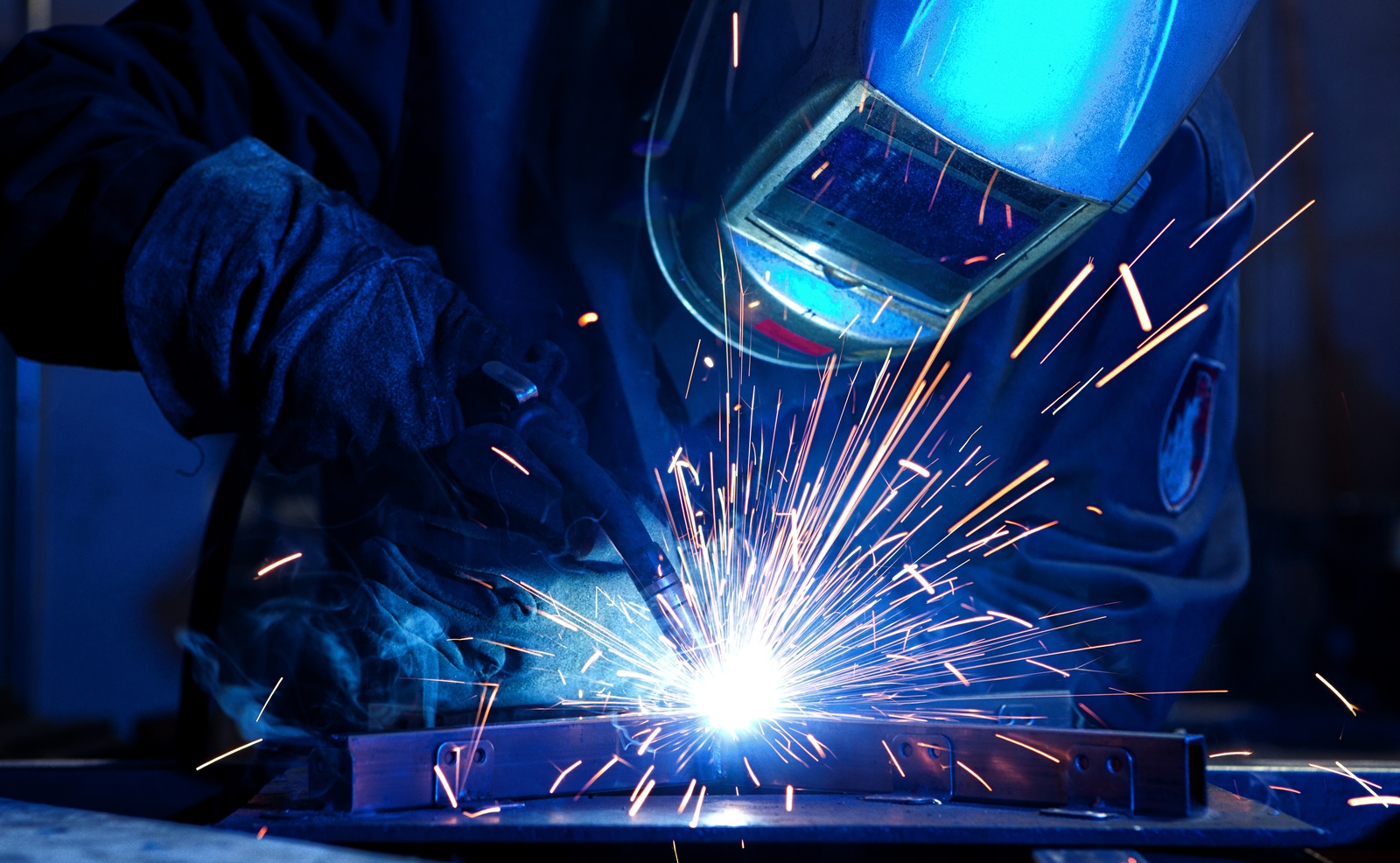
TIG welding
TIG (Tungsten Inert Gas) welding is a universal welding method. Thanks to the use of an inert gas shield (usually argon or helium), it is characterised by low heat consumption. This makes it perfect for welding thin materials, primarily aluminium, but also copper, titanium, nickel and stainless steel
In this method, we use a tungsten electrode to which we apply current. Tungsten is resistant to high temperatures, so the welding process does not burn it.
The electric welding arc melts the surface of the workpiece without the need for additional material. If it is used, it is introduced manually, rather than with a handle. This requires the use of a welding torch with a different design than in the case of MIG/MAG methods. During welding, the shielding gas protects the weld and the electrode from oxidation. The work does not produce slag that could contaminate the weld.
TIG welding can use alternating current. The undoubted advantage of this method is the ability to weld in any position. The welding arc is stable and the quality of the connections is excellent. The weld is clean and durable.
We use the TIG method in various industries (food, automotive, chemical), and its applications include welding pipelines and thin sheets.
However, it is not a method without drawbacks. These include low welding speed and therefore low efficiency. TIG also requires a lot of skill from the welder, but at OLGAMET we do not consider this a disadvantage, because our welders are excellent professionals who have mastered TIG welding to perfection and it is not a challenge for them.
MIG welding
Another method of welding in an inert gas (helium, argon) is MIG (Metal Inert Gas). In this case, an electric arc is produced between the electrode and the welded material but unlike TIG, the electrode, or welding wire fed on the fly, is fusible.
Also, check out our offer of comprehensive steel product manufacturing.
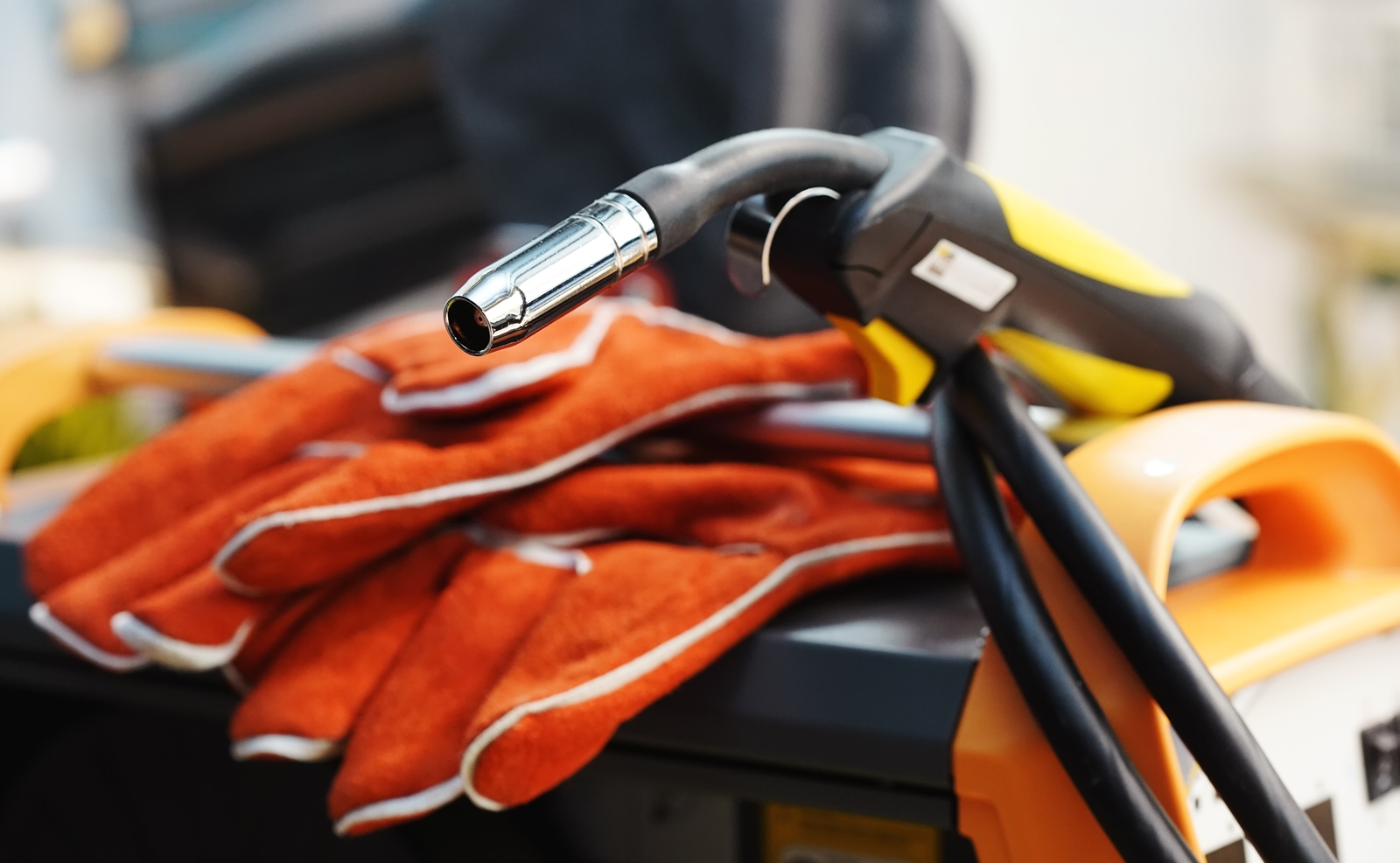
MAG welding
The MAG (Metal Active Gas) method differs from MIG in that the gas in is not neutral but chemically active (such as carbon dioxide). The shielding gas most often contains such gas, which is why MAG is used more often than MIG, while in general the MIG/MAG method is the most widely used technique, which covers about 65% of all welding work.
This is due to the undeniable advantages of MIG/MAG. This technique is both inexpensive and efficient. The welds produced are of high quality, regardless of the material being welded. Therefore, we can also talk about the versatility of MIG/MAG.
As with TIG, MIG/MAG welding requires great skill on the part of the welder, as their ineptitude can result in sticking and porosity, which MIG/MAG welding can unfortunately lead to. However, this problem can be avoided when welding is performed by professionals - such as those waiting for you at Olgamet.
MIG/MAG welding uses so-called mig machines (otherwise known as semi-automatic machines), i.e. welders adapted to both described methods. They are used in almost all industries (heavy, machinery, shipbuilding, steel, automotive, etc.), as well as in renovation and maintenance work or for home and hobby purposes.
Due to differences in the shielding gas used, MIG and MAG differ in terms of their area of use. With the MAG method, we weld structural steels, while the MIG method works well for welding aluminium, magnesium and non-ferrous metals.
Also, check out our laser welding offer.
Cooperation
Our company is located in Chorzów, Silesian voivodeship. Quick access to our headquarters is possible from cities such as Katowice, Bytom, Siemianowice Śląskie, Sosnowiec, Czeladź. We serve customers from all over the country.
Do you have additional questions? Contact us.